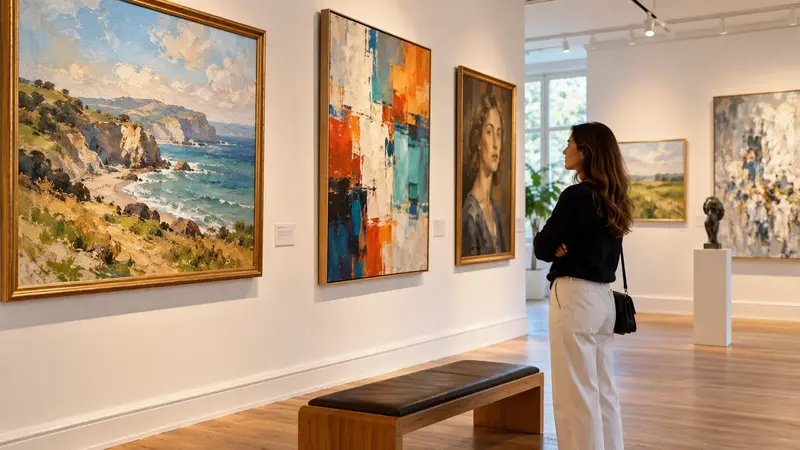
Art directories make it easier to discover artists, explore painting styles and learn about the creative ideas behind their work. Directory ArcyArt provides a useful starting point for readers who want to learn more about artists and the paintings they create.
Discovering a lesser-known artist can be just as interesting as exploring the work of a famous painter. Art collectors may want to understand an artist’s background, choice of materials and creative development. Emerging artists can also gain valuable insights by studying how others approach their work.
At ArcyArt, we believe there is more to a painting than what appears on the canvas. Learning about an artist’s techniques, influences and creative decisions can help viewers understand the artwork and appreciate it more deeply.
What Is Directory ArcyArt?
Directory ArcyArt is associated with discovering artists, exploring paintings and learning about different artistic styles. It helps readers learn more about the artists, their backgrounds, and the ideas that inspire their work.
An artist directory helps visitors discover artists and explore their work in one place. Each entry may include details about the artist’s background, artistic style, techniques and areas of expertise, along with examples of their artwork. Some entries may also link to further information.
While a traditional art gallery allows visitors to experience paintings in person, an online artist directory makes it easier to explore artists and their work from anywhere.
Learning about an artist’s background can help ArcyArt visitors better understand and appreciate their artwork. Their choice of subjects, materials and techniques often reveals more about a painting and the creative decisions behind it.
Exploring Artists and Their Creative Work
Every artist has a different way of expressing ideas. Some paint familiar scenes, such as landscapes and portraits, while others explore abstract forms, bold colours and unusual compositions.
An artist directory can make these differences easier to explore by providing context for individual practices.
Discovering Established and Emerging Artists
Established artists often have years of experience, with their work featured in exhibitions and collections. Looking back at their earlier paintings can also show how their style and techniques have changed over time.
Emerging artists may be at an earlier stage of their careers, developing a distinctive visual language or experimenting with different materials.
Both groups offer valuable perspectives.
A reader interested in contemporary painting, for example, might compare the experimental techniques of a newer artist with the established methods of a painter whose work has been exhibited for many years.
Rather than comparing artists based on their achievements, it is more useful to explore how their different styles, techniques and creative choices influence their work.
Understanding Artist Profiles
A good artist profile helps readers understand the artist’s background and the ideas behind their work.
Learning about an artist’s background can help readers understand why they choose certain subjects and how they create their work. Their preferred materials and techniques offer further insight into their creative process. Details about their education and past exhibitions can also be useful when the information is verified.
However, formal qualifications are not the only measure of artistic ability. Some artists develop their practice through independent study, experimentation and years of practical work.
For this reason, readers should consider the artwork itself alongside any available biographical information.
Different Types of Artwork to Explore
Painting remains one of the most accessible ways to appreciate artistic expression. Artists can represent familiar scenes, communicate personal ideas or challenge conventional expectations through their choice of style.
Understanding a few common approaches makes it easier to recognise the differences between artworks.
Oil Paintings
Oil painting has a long history in European and international art traditions.
Artists create oil paints by combining pigments with a drying oil, such as linseed oil. Their working properties let artists blend colours, build layers, and develop subtle transitions between light and shadow.
Artists use oils for portraits, landscapes, still-life compositions and abstract works.
Some painters create smooth, finely blended surfaces, while others use visible brushstrokes and thick layers of paint to add texture and depth.
These differences can reveal how an artist uses the medium to create a particular effect.
Abstract Art
Abstract art focuses on shapes, colours, lines and textures rather than showing the world exactly as we see it. Artists use these elements to express ideas, emotions or their own creative vision.
Some abstract paintings include familiar details, such as figures, landscapes or everyday objects. Others rely entirely on colour, form and composition without representing anything recognisable.
When looking at abstract art, pay attention to how the colours and shapes work together. Bold contrasts, repeated patterns and unusual arrangements can make a painting visually interesting.
You do not have to find a hidden meaning in every abstract painting. Sometimes, simply noticing the colours, textures and overall composition is enough to enjoy the artwork.
Landscape and Portrait Painting
Landscape paintings capture places such as mountains, coastlines, countryside and city streets.
Some artists capture these scenes in lifelike detail, while others use vibrant colours and loose, expressive brushwork to reflect how they see and experience a place.
Portrait painting centres on people. While some portraits aim to capture a person’s appearance, others reveal something about their personality, emotions or identity.
Both styles give artists room to express their creativity. Even when painting the same subject, two artists can produce very different results through their choice of colours, techniques and composition.
How to Explore an Artist Directory Effectively
Finding an artist is only the beginning. Taking time to examine their work can make the experience more informative.
Begin by looking closely at the artwork. Notice the subject, colours and arrangement of different elements before learning about the artist. This helps you form your own opinion of the painting.
Learn about the artist. Explore available biographical details, artistic influences and working methods. Consider how these relate to the artwork.
Compare related pieces. Viewing several works by the same artist can reveal recurring themes, stylistic changes or experimentation with materials.
Explore beyond familiar styles. If you usually prefer realistic painting, try looking at abstract or expressionist work. Comparing different approaches can broaden your understanding of artistic expression.
Keep track of artists you discover. Make a note of any artists, paintings or exhibitions that catch your interest. This makes it easier to explore their work further or return to them later.
These simple habits can help anyone interested in art, whether they are casual visitors, students or collectors.
Why Artist Directories Matter to Art Collectors
For collectors, researching an artist is an important part of understanding a potential acquisition.
An attractive painting may capture attention immediately, but other details can help establish its background and significance.
These include the artist’s identity, the artwork’s title, medium, dimensions, date and ownership history.
A directory can provide an initial point of reference, although it should not replace independent verification.
Researching Artwork Before a Purchase
Collectors should distinguish between appreciating a painting and confirming its authenticity.
An artist’s profile can help readers recognise their painting style, but a similar appearance does not prove that an artwork is authentic.
Before purchasing, collectors should examine available documentation, including provenance, condition information and any credible authentication records.
Provenance refers to the documented history of an artwork’s ownership. It can help establish where a piece has been and whether its reported history is consistent.
Not every artwork will have a complete ownership record. Missing information does not automatically mean a work is inauthentic, but significant gaps deserve careful consideration.
How Emerging Artists Can Benefit from Art Directories
For emerging artists, directories can provide useful insight into how artists showcase their work and reach new audiences.
Looking at other artists’ profiles can help painters recognise the importance of clear descriptions, accurate artwork information and consistent presentation.
A professional artist profile might include a concise biography, a description of the artistic practice and carefully selected examples of work.
Clear, high-quality images help viewers appreciate paintings online. Good lighting, accurate colours and careful cropping can make a significant difference in how artwork appears on screen.
Artists should also keep their profiles up to date, with accurate details about exhibitions, awards and professional achievements.
Although inclusion in a directory does not guarantee recognition or sales, a well-presented artistic record can still make an artist’s work easier to understand and research.
Final Thoughts
Directory ArcyArt offers a useful subject for anyone interested in understanding artists and the work they create. Exploring different painting styles, learning about artistic backgrounds and comparing individual approaches can make art discovery more rewarding.
For collectors, careful research supports informed decisions. For emerging artists, studying other practitioners can encourage new ideas and a clearer understanding of artistic presentation.
The most valuable part of discovering art is developing the ability to look closely, ask meaningful questions and appreciate the choices that make each artist’s work distinctive.